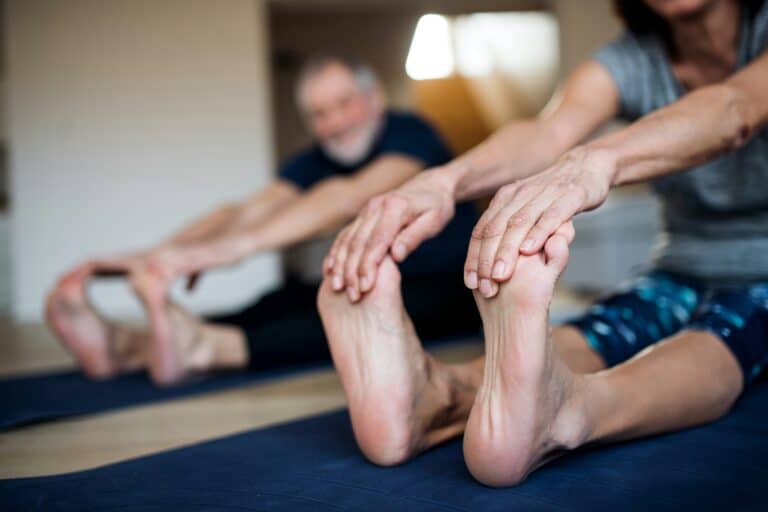

When we think about staying healthy, we often focus on heart health, diet or fitness goals. But one area that quietly underpins our independence and quality of life is joint health.
At Dr Helen Medical, our experienced private GP team in Ringwood regularly supports patients with joint pain, stiffness and mobility concerns. From sports injuries in younger adults to arthritis management later in life, joint issues are incredibly common — but they should never simply be accepted as “part of getting older”.
Is joint pain a normal part of ageing?
One of the biggest misconceptions surrounding joint health is that pain is inevitable as we age. While natural wear and tear can contribute to conditions such as osteoarthritis, age is only one piece of the puzzle.
A number of factors can influence joint health, including:
• Activity levels
• Previous injuries
• Weight and lifestyle
• Occupation
• Muscle strength
• Genetics
Many people are surprised to learn that proactive lifestyle changes can significantly improve joint function and reduce discomfort at almost any age.
Why movement is essential for healthy joints
Our joints are designed to move. Regular movement helps nourish cartilage — the smooth tissue that cushions the ends of bones — while also strengthening the muscles that support the joints.
Long periods of sitting or inactivity can lead to:
• Joint stiffness
• Reduced flexibility
• Muscle weakness
• Increased discomfort during everyday activities
This is why maintaining regular movement is so important for long-term mobility and independence.
The best types of exercise for joint health
Not all exercise affects the joints in the same way. For people already experiencing discomfort, high-impact activities can sometimes aggravate symptoms.
Low-impact exercise is often the best option for improving strength and mobility while protecting the joints.
Activities commonly recommended by GPs include:
• Swimming
• Cycling
• Brisk walking
• Pilates
• Gentle strength training
These exercises can help improve flexibility, support surrounding muscles and reduce stress on weight-bearing joints such as the knees and hips.
How weight affects your joints
Excess weight places additional strain on the joints — particularly the knees, hips and lower back.
Even modest weight loss can make a noticeable difference in:
• Pain levels
• Mobility
• Energy levels
• Overall joint function
Importantly, improving joint health is not about achieving a “perfect” weight. It is about reducing unnecessary stress on the body and improving long-term wellbeing.
Don’t underestimate old injuries
Previous injuries can continue to affect joint health years later.
Ligament damage, fractures and poorly rehabilitated sprains may alter the way a joint moves, leading to uneven wear and ongoing instability over time.
This is why proper recovery and rehabilitation after an injury is so important. Returning to sport or activity too quickly can increase the risk of long-term problems later in life.
Do joint supplements actually work?
Many patients ask about supplements such as:
• Glucosamine
• Collagen
• Chondroitin
The evidence surrounding these products is mixed. Some individuals report improvements, while others notice little difference.
Although many supplements are generally considered safe, they should not replace the foundations of good joint care, including:
• Regular movement
• Strengthening exercises
• Healthy weight management
• Appropriate medical assessment
When should you seek medical advice for joint pain?
Persistent joint pain should never be ignored.
If you are experiencing symptoms such as swelling, stiffness, reduced movement or ongoing discomfort, early assessment can help prevent smaller issues from becoming more serious problems.
You should consider seeking medical advice if:
• Pain lasts more than a few weeks
• A joint becomes swollen or warm
• Mobility is becoming limited
• Pain is affecting sleep or daily activities
• Symptoms are worsening over time
Early intervention can often improve outcomes significantly.
Supporting your joint health in Ringwood, Hampshire
At Dr Helen Medical, we provide friendly, professional private GP appointments for patients across Ringwood, the New Forest, Hampshire and Dorset.
Whether you are concerned about arthritis, sports injuries, ongoing pain or mobility issues, our team can help assess your symptoms and create a personalised management plan to support your long-term health and wellbeing.
Joint health is not simply about avoiding pain — it is about preserving independence, confidence and quality of life for years to come.
Book a private GP appointment or Joint Injections in Ringwood
If you are struggling with joint pain or mobility concerns, our experienced team is here to help. We also offer Joint Injections (following a consultation) at our Ringwood clinic.
Call Dr Helen Medical on 01202 022956 or book your appointment online.